I’m curious about these, this one and the German one people talk about. Obviously the price is meant to be a good price, but at that price why not just make it free? Do so many people buy the pass that it actually makes a noticeable income? Or is it just to keep very poor people from having it?
I understand your point. But consider that a fee-less transport would let demand surge (even further) and supply cannot keep up (it already can’t). As a consequence: Those who really rely on public transport, like people who cannot afford a car, to live their lifes would be at a clear disadvantage.
Proof in case: the free pensioner passes many European countries introduced.
For example in my hometown in Hungary, once the free pensioner passes were provided, traveller basis grew by some 30%. There were literally old ladies hanging out for hours at end in the back section, chatting away, not giving a single flying fuck that students wanted to get to school, people wanted to get to work and so on. Often I had to wait 2-3 buses in the morning to be able to get on, because the pensioners would swarm them early morning and refuse to get off.
And to date there’s no limit during peak hours for them, which I think should be mandatory for these free passes.
I’m not sure I understand. Like right now I believe I’ve heard that Germany has a 60€ pass or something. How does that prevent demand from surging? Wouldn’t the people who can’t afford a car be the ones they would have more trouble with the 60€? Presumably the car people could pay for fare already.
Though it is true that they aren’t, and maybe the idea is that they would ride the free train, because any price is enough to keep them as “car people”?
At least here in Germany, there is a basically ongoing argument about who’s responsible for what amount of the costs. There’s federal finances, states’ finances and the transport associations (of which there are around as many as there were states in the HRE) and they all want the others to pay.
I am for a free or a least cheap ticket. I’m just saying: You need to prepare for it. Public transport in Germany is not as reliable as one might think. But in Germany, the car lobby has good connections to the politics and they are probably not that interested in a good working system that everyone can use.
the problem is that so many people want to use it that there’s simply not enough trains to move the people. every time i enter an inter-city train, it’s full. no exceptions. it’s always full. more trains are needed, but it will take years. then the price can drop.


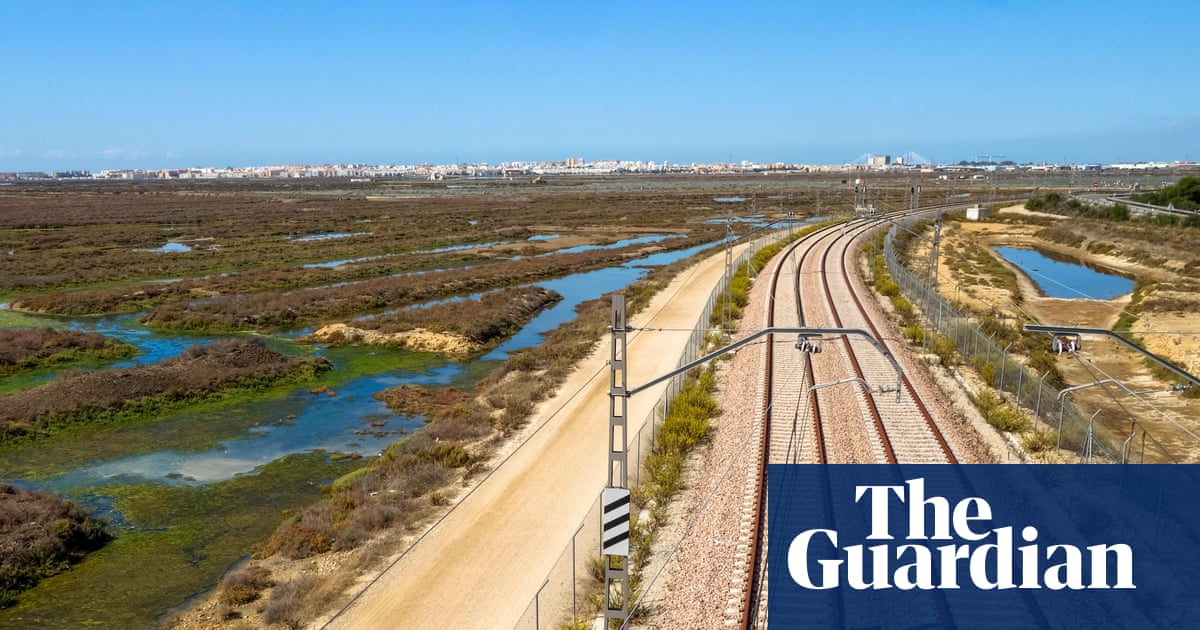
I’m curious about these, this one and the German one people talk about. Obviously the price is meant to be a good price, but at that price why not just make it free? Do so many people buy the pass that it actually makes a noticeable income? Or is it just to keep very poor people from having it?
I understand your point. But consider that a fee-less transport would let demand surge (even further) and supply cannot keep up (it already can’t). As a consequence: Those who really rely on public transport, like people who cannot afford a car, to live their lifes would be at a clear disadvantage.
Proof in case: the free pensioner passes many European countries introduced.
For example in my hometown in Hungary, once the free pensioner passes were provided, traveller basis grew by some 30%. There were literally old ladies hanging out for hours at end in the back section, chatting away, not giving a single flying fuck that students wanted to get to school, people wanted to get to work and so on. Often I had to wait 2-3 buses in the morning to be able to get on, because the pensioners would swarm them early morning and refuse to get off.
And to date there’s no limit during peak hours for them, which I think should be mandatory for these free passes.
I’m not sure I understand. Like right now I believe I’ve heard that Germany has a 60€ pass or something. How does that prevent demand from surging? Wouldn’t the people who can’t afford a car be the ones they would have more trouble with the 60€? Presumably the car people could pay for fare already.
Though it is true that they aren’t, and maybe the idea is that they would ride the free train, because any price is enough to keep them as “car people”?
Because that would be communism /s
At least here in Germany, there is a basically ongoing argument about who’s responsible for what amount of the costs. There’s federal finances, states’ finances and the transport associations (of which there are around as many as there were states in the HRE) and they all want the others to pay.
Luxembourg made it free…
But lemmy tell you something: Germany is in no way prepared for the the increasing demand.
Right… but isn’t the whole point of these passes to encourage people to use the systems?
I guess it’s possible the price is chosen such that it encourages the right number of people and no more?
I am for a free or a least cheap ticket. I’m just saying: You need to prepare for it. Public transport in Germany is not as reliable as one might think. But in Germany, the car lobby has good connections to the politics and they are probably not that interested in a good working system that everyone can use.
the problem is that so many people want to use it that there’s simply not enough trains to move the people. every time i enter an inter-city train, it’s full. no exceptions. it’s always full. more trains are needed, but it will take years. then the price can drop.