

…
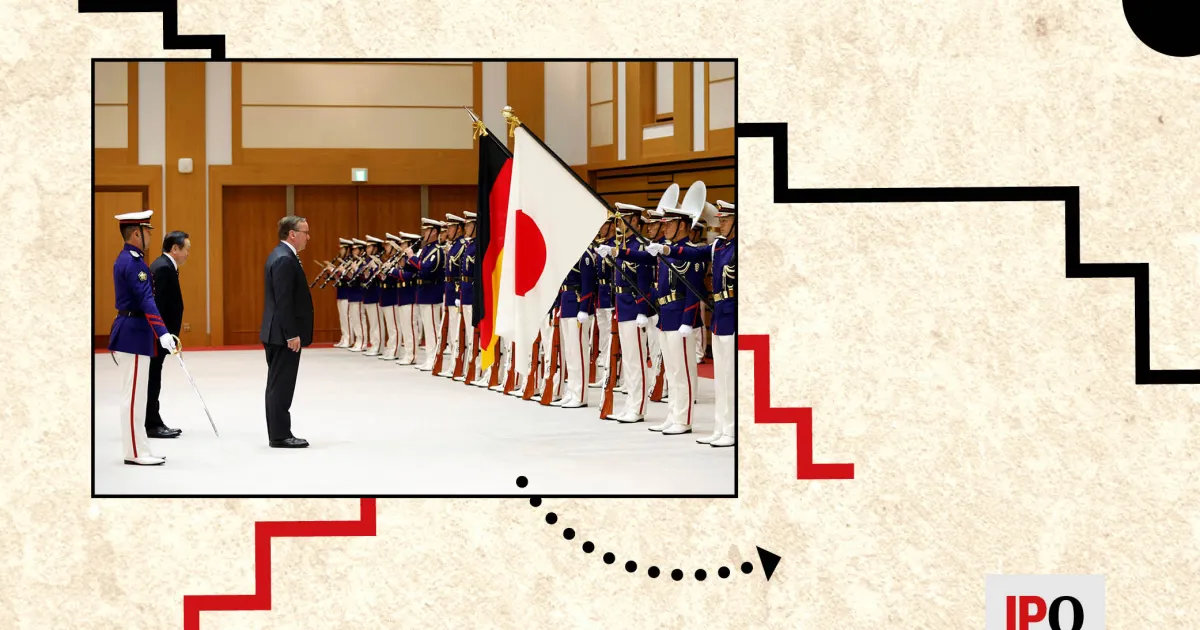
South Korea, the Philippines, and Japan are all closely monitoring European security. While they share many of the challenges that European countries are grappling with, and the two theaters are growing ever closer together, opportunities for deepening defense ties are opening.
Europe is viewed as an important export market for defense manufacturers, a partner for joint development and exercises, and a valued provider of equipment and capacity-building. For European countries and the EU, this opens up new opportunities to diversify their own defense partnerships. As the Europeans are trying to become less dependent on the US and ramp up production at home, Indo-Pacific countries present themselves as natural cooperation partners.
A lot of the populist roots of it come from the consequences of globalization. We had allowed corporations a lot of control over our country starting with Reagan, and with globalization we got a massive influx of cheap consumer goods. The cost was more and more of the jobs kept going to poorer countries to boost corporate profits. Our buying power was artificially inflated while our wages remained stagnant, resulting in actual prosperity slipping out of reach.
Combine this with decades of concerted attacks on education (so people don’t understand that many advanced nations have tried this and suffered for it), and centuries of American exceptionalism narratives.
This is kinda unique among policies because most businesses don’t want it, it won’t help anyone, and it’s the mandatory plank of right wing populism in America because the claimed left wing party is both centrist and accountable to reality. It’s an emotional position and the American right wing is doing vibes based governance. It’s also reminiscent of when in European fascism reactionary ideology became more important than actual practicality.
It’s the opposite. Fascists would arm up, bomb China to death and enslave the remaining Chinese.
Retreating from Europe and Asia is the opposite.