

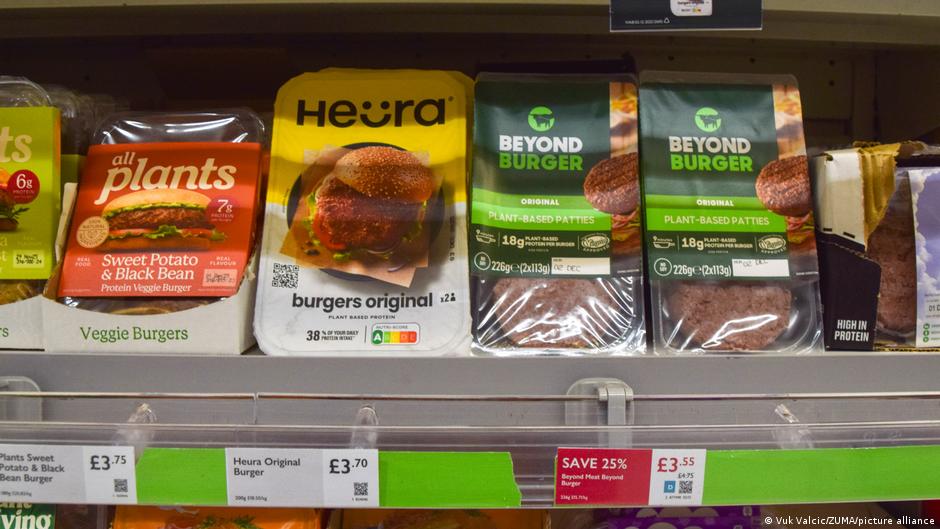
The measure was introduced by French conservative lawmaker Celine Imart, who argued it would prevent confusion with traditional meat products.
The measure was introduced by French conservative lawmaker Celine Imart, who argued it would prevent confusion with traditional meat products.
Lasagna is not necessarily made with meat. Lasagna is a type of layered pasta dish with ingredients between the layers of pasta.
A vegetarian lasagna is equally a lasagna as one with minced beef in it.
While I agree that deceptive marketing is an issue, the real issue here is the fact that it was not labelled clearly enough that it was a product without meat. The fact that the vegetarian option can be legally be labelled lasagna isn’t really the problem.
Similarly, in my opinion, sausage and burger are just a description of the shape the product comes in and what it can be used for.
A sausage or a burger is agnostic to what kind of ingredients go in it. There are beef sausages, pork sausages, chicken sausages,… and vegetarian sausages. A vegetarian sausage is still a sausage, because it comes in the shape of a sausage and you use it in the same way as you would a sausage. As long as it’s labelled clearly as vegetarian so that there is no confusion I do not see the issue with it being labelled a sausage.
Worth noting that I do think this is a different issue from using the names of specific cuts of meat, which is what the discussion was about a few years ago. A steak refers to a specific cut from a cow, so a vegetarian steak is not a steak in my opinion, and should not be called a steak on the packaging.
It would appear that the reason why they are currently discussing a ban on using the term sausage and burger for vegetarian products, is not because calling a veggie sausage a sausage is something people have a serious problem with, but rather because the meat lobby wants to kill the meat replacer industry.